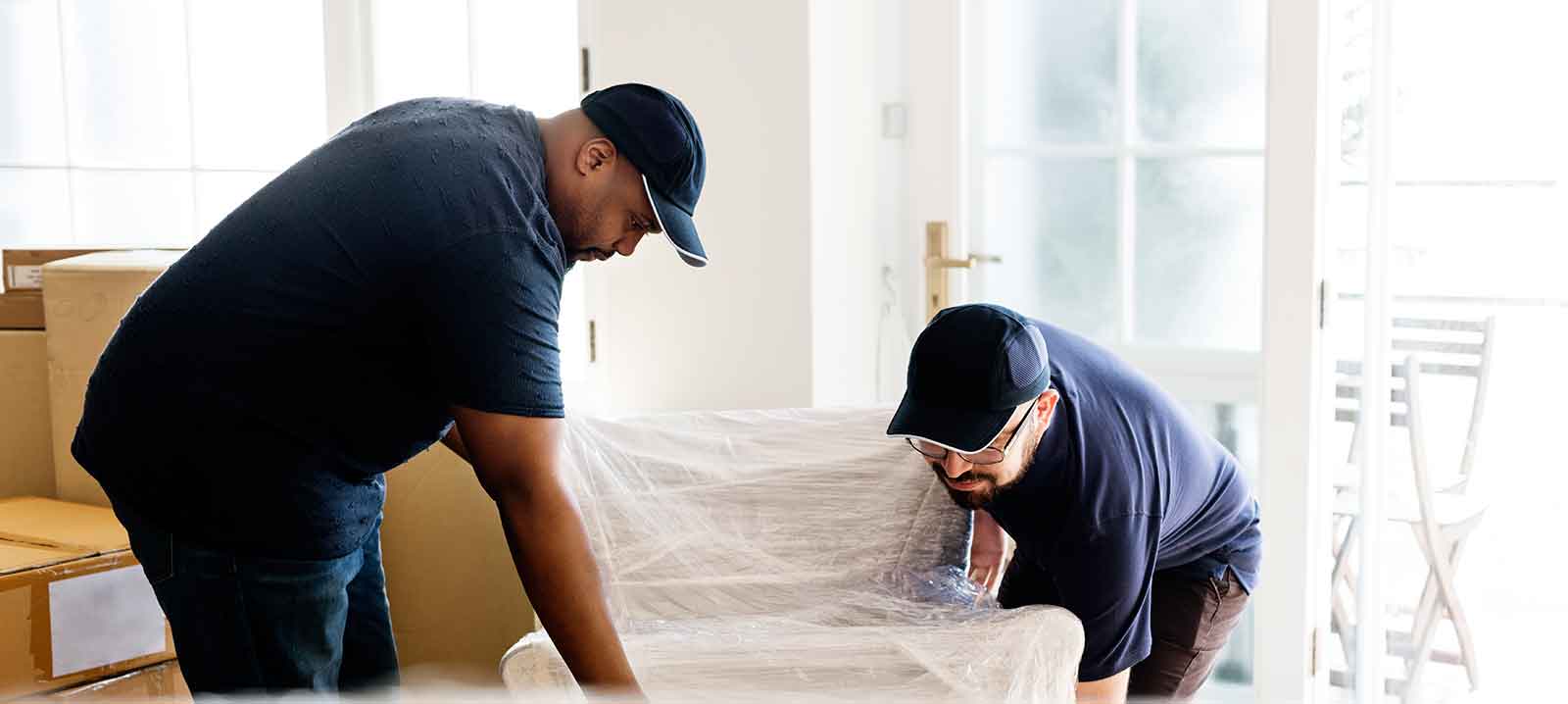
Moving in winter brings its own set of challenges. Snow, salt, slush, and freezing temperatures can do more than make moving harder, they can ruin floors. That’s why we always make floor protection part of our plan. When you’re working with heavy furniture, wet boots, and icy sidewalks, even a small oversight can lead to permanent scratches or stains. We’re sharing practical tips that help shield hardwood, tile, vinyl, and carpet during winter moves without adding stress or cost.
Plan Floor Protection Before the First Box Moves
Every move should start with a walkthrough, and winter adds a few extra details to that list. Entry points, indoor surfaces, and high-traffic paths all need a close look. We decide early which materials to use and where to place them. For instance, runners or floor liners work best on hardwood, but we use different coverings for carpet or tile. Planning ahead helps prevent mistakes that often happen when everyone is rushing on move day.
We also make space for a clean zone near each entrance. That gives us room to wipe feet, remove snow-packed shoes, or switch to clean shoes. Without it, people track in moisture all day. As a result, water spreads, salt eats at finishes, and dirt grinds into surfaces before you even notice. When this prep area is well-placed and clearly marked, the rest of the home stays dry and safer to walk through.
If you’re looking for experienced help, our moving services in Edmonton include careful planning like this. We make protection part of every move because ignoring the floors isn’t worth the cost of repairs. Planning takes just a few minutes, but it prevents hours of damage control later.
Choose the Right Materials for Each Floor Type
Each surface handles moisture and pressure differently. We start by matching the right protection to each area, because one material won’t work for everything. For hardwood or laminate, we always avoid plastic sheets. Those trap moisture, and wet floors can warp or stain quickly. Instead, we use breathable fabric pads or runners with non-slip backing. These absorb water but won’t slide when people carry boxes over them.
In tiled entryways, we often choose thick rubber mats or heavy-duty cardboard with tape around the edges. These stop water from spreading and protect grout from tracking. In other areas, like vinyl floors, we use soft drop cloths. These keep scratches away from sharp corners or dragging feet. However, we avoid loose materials that bunch up and cause slips.
For carpeted stairs or hallways, we roll out carpet film—an adhesive layer that sticks down safely without damaging the fibers. This film handles boots and heavy traffic well, and we replace it during long moves to keep it clean.
When we prepare ahead with the right gear, we never have to worry about quick fixes. If you’re unsure what to use, a moving company in Edmonton like ours always brings tested supplies. We know the conditions and use materials that won’t damage your home. This step is simple, but the results last long after move day.
Manage Moisture at Every Entrance and Exit (
Water is the biggest problem during winter moves. It doesn’t just pool at the door—it travels through hallways, soaks into carpets, and leaves behind salt lines. That’s why we take steps to stop it at the door. We always start with large mats outside and just inside each entrance. These mats collect snow and absorb moisture fast, which helps us keep the rest of the home dry.
To keep things under control, we assign one person to check entrances during the move. They shake out mats, mop up puddles, and replace wet towels if needed. It sounds small, but during a long move, this detail prevents soaked surfaces and slippery patches that could lead to injuries or floor damage.
We also protect the threshold, especially where snow shovels or carts might scratch metal or wood trim. We use foam edging or folded towels to block direct contact. This extra padding takes seconds to apply but stops long-term harm.
Whenever we help with winter moves, we keep entrances clean and dry without delay. If you need steady support from the start, our moving company in Edmonton is ready to help. Controlling moisture makes every other step easier. We know when it spreads, floors suffer first, so we work to keep that from happening in the first place.
Set Up Safe Walkways and Loading Paths
High-traffic zones take the most abuse during winter moves. So we always mark clear paths inside the house and outside on walkways. When people carry heavy items, they rarely stop to adjust footing. As a result, wet or unstable flooring leads to falls or deep scuffs. We avoid that by prepping these paths in advance.
Inside, we use long runners from the entrance to each key room. These stay in place with tape or grip pads underneath. If needed, we double-layer materials near tight corners or tricky turns. On stairs, we never use loose covers—we switch to adhesive stair protectors that stay put while people go up and down.
Outside, we shovel and salt the main loading zone early. Then we repeat it often during the move. We also place floor mats in the back of trucks to avoid transferring dirt from vehicle floors to clean homes. After that, we double-check the full route for ice patches or puddles that might cause slipping or leave marks behind.
Good walkways keep the move moving. They also prevent the need to fix dents or wipe up messes after every trip. When you don’t want to handle it alone, connect with our team through this contact page and we’ll help plan each part of your route. A smooth path is safer for everyone and much easier on the floors you’re trying to protect.
Use Indoor Shoe Rules and Team Coordination
Shoes cause most of the damage during winter moves. The mix of grit, snow, and pressure wears down finish fast. That’s why we always follow indoor shoe rules. One approach is setting up a swap zone where workers change into dry shoes before entering. In other cases, we wear disposable boot covers for quick in-and-out trips. Both methods work when everyone follows the same plan.
We explain shoe rules before the move starts so there’s no confusion. Once the first load begins, it’s hard to pause for corrections. We also assign someone to check that covers stay in place or that wet shoes stay outside. When everyone knows the rules and sticks to them, flooring takes less of a hit.
Sometimes we rotate tasks so only a few people go indoors while others work outside. That limits how much salt or water enters at once. On smaller moves, one person may do all the indoor setup while others stage items near the door. This rhythm cuts down on dirt and helps the move stay organized.
We’ve seen that even strong floor coverings can’t help if everyone tracks in salt and mud. But with basic team coordination and indoor shoe rules, we protect surfaces easily. Floors last longer and no one ends up cleaning messes for hours after. That’s why we treat this step as non-negotiable—it makes the whole move cleaner, faster, and safer.
FAQs About Protecting Floors During Winter Moves
What’s the best way to protect hardwood during a winter move?
Use breathable runners or fabric pads that won’t trap moisture. Avoid plastic sheets that can cause warping.
How do I keep my carpet from getting ruined during a snowy move?
Apply carpet film over high-traffic zones. It resists water and prevents dirt from grinding into the fibers.
Can I just put down cardboard to cover my floors?
Only if it’s thick, taped down, and replaced often. Otherwise, it gets soggy and slippery fast.
Do I need to remove my shoes during a move?
If possible, yes. Otherwise, use clean indoor shoes or boot covers to avoid tracking in slush and salt.
What if I don’t have any floor protection materials?
Use towels, old blankets, or bath mats as a last resort. Prioritize the entrance and hallway first.