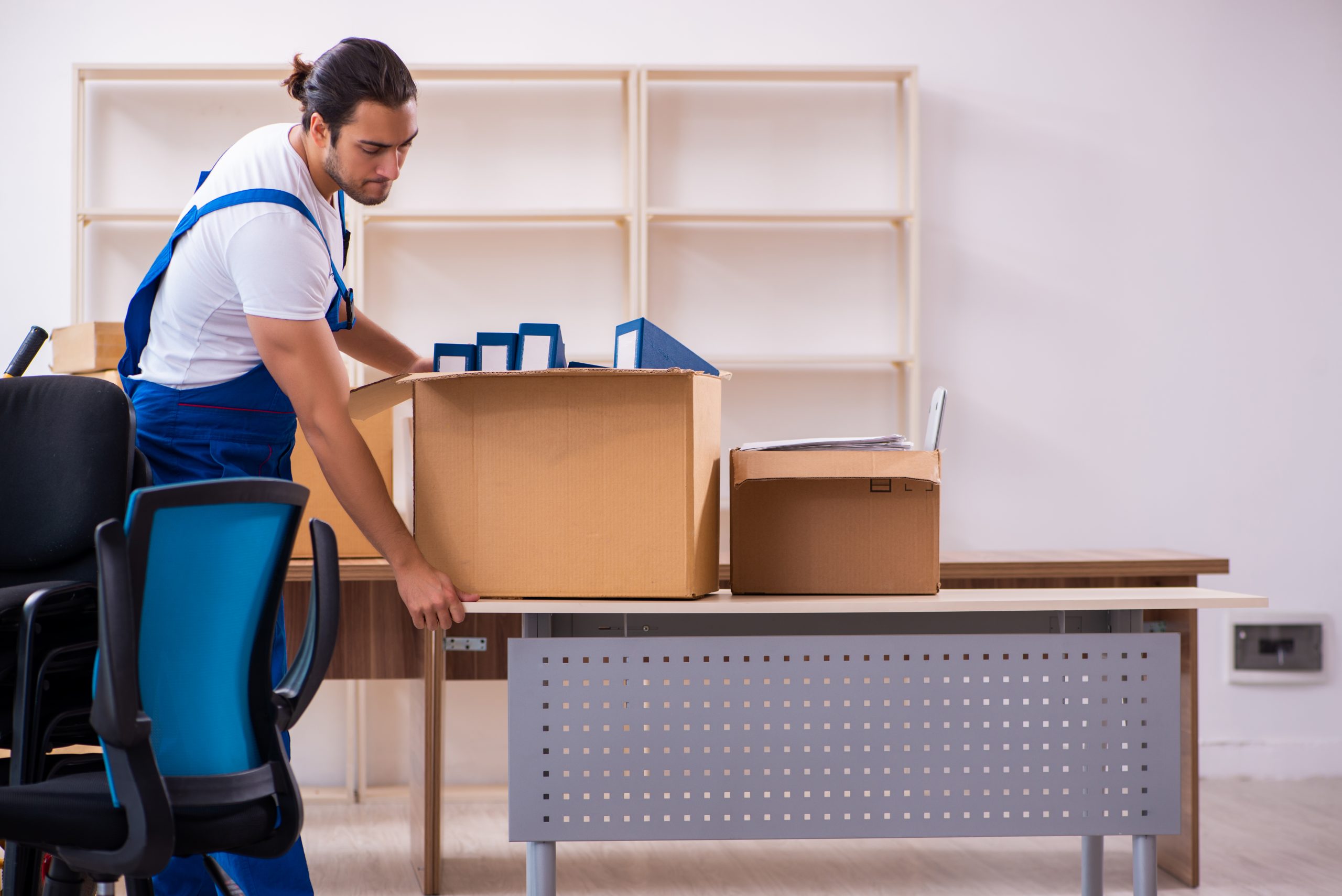
Moving heavy or awkward equipment from one space to another sounds simple until you try it. Gym gear is bulky, uneven, and often expensive. Without the right preparation, it’s easy to hurt your back or damage the equipment. At Helping Hands Family Movers, we know how common these issues are. So let’s walk through how to move your gym setup safely and avoid injuries along the way.
Understand What You’re Dealing With
Before anything else, get a clear idea of what needs to move. Some gear, like dumbbells or plates, might look harmless, but repeated lifting can strain muscles fast. Others, like a treadmill or elliptical, have hidden parts that shift during movement. We suggest writing a list of all items, including their weight and shape. That makes it easier to figure out the right order and tools for the job.
As a moving company in Edmonton, we often see people underestimate small items. For instance, a collection of 10-pound dumbbells can weigh more than 100 pounds together. It helps to split gear into three categories: light items you can carry, medium items you’ll need help with, and heavy equipment requiring extra planning. That way, you’re not surprised halfway through and forced to make unsafe decisions on the spot.
Break Down What You Can
Takedown should be your next step. Most gym machines are built with removable arms, frames, or footpads. That is to say, you don’t need to lift them in one big piece. Reducing the size and weight of each item makes them safer to carry. Always unplug electronic machines and remove cords, screens, or extra features first.
In our experience, labeling every part helps when it’s time to reassemble. Use a marker and tape to number parts or snap photos before you take anything apart. Above all, don’t rush this step. Equipment like weight benches or power racks often use bolts and pins that wear over time. Consequently, trying to force parts apart quickly can snap frames or injure fingers.
This stage also makes loading easier. Smaller pieces fit through doorways with less risk to your home’s walls or floors.
Use Proper Lifting Techniques
Injury usually comes from poor form, not heavy weight. That’s why we always remind people to lift with their legs, not their back. Stand close to the item, keep your feet shoulder-width apart, and bend at the knees. Once your grip is firm, rise slowly while keeping the item close to your chest.
Never twist while holding something heavy. If you need to turn, move your feet instead of rotating your back. For example, moving a weight plate to the left should involve stepping, not twisting at the waist. We see this mistake a lot with kettlebells or squat stands.
Also, grip strength matters. Wearing gloves can improve grip while protecting hands from blisters or pinches. Add straps or a dolly where needed. With bigger machines, consider professional help like a trusted moving company in Edmonton that knows how to shift equipment safely.
Protect Your Floors and Walls
Any gym move brings a risk of scuffs, scratches, or worse. Lay down protective runners or thick blankets across walkways. Cardboard sheets also help reduce friction when sliding heavy equipment. We often use them under weight benches or bikes to avoid direct pressure on hardwood or tile.
Cover doorframes or narrow turns with towels or foam bumpers. That way, if an item brushes the wall, there’s no lasting damage. For instance, ellipticals are known for wide arms that extend as they turn, hitting things unexpectedly.
Likewise, pads under heavy gear prevent dents or tile cracks. Use furniture sliders under machines to protect both gear and flooring. In some cases, taping down moving blankets is enough to form a soft barrier. These simple steps can prevent damage that costs far more than the move itself.
Use the Right Moving Tools
You don’t need expensive machines to move heavy gym gear, but the right tools make a big difference. For starters, use a hand truck or appliance dolly for upright machines. Add moving straps for anything you can’t lift securely. These distribute weight across your shoulders and reduce pressure on your arms.
If the gear is bulky or slippery, wrap it with a blanket or strap it tightly before lifting. That helps keep it steady and protects the surface. For instance, rowers tend to tilt if lifted from only one side, so we suggest using a dolly under the center frame.
Don’t rely on bare hands when better gear is available. Even using simple tools like lifting straps can prevent muscle strain or pulled joints. We’ve learned that having the right gear on hand from the start avoids extra trips or awkward lifting decisions.
Plan Your Route in Advance
Before you lift anything, walk your route. Open doors fully and clear rugs or wires from the path. If you’re heading down stairs, make sure you have extra hands and enough space for each step. Sudden stops or blocked exits often lead to accidents.
When possible, remove doors or hinges on tight frames. That creates more space to turn, especially for wide items like squat racks or bikes. During winter, salt or shovel walkways to avoid slips. For example, we once had to delay a move because fresh snow made a ramp too risky for a treadmill dolly.
Also, know where things will land in the new space. Sketch a layout or mark spots on the floor with tape. That way, you’re not shifting gear multiple times after a long day of lifting. Planning like this keeps energy focused and bodies safe.
Know When to Ask for Help
Not every move should be done solo. Even strong, fit people get injured trying to carry too much. Gym gear is awkward, and most injuries come from unexpected shifts in balance. When an item feels too bulky or unpredictable, ask someone to help guide or lift with you.
We always advise working in pairs for anything heavier than 50 pounds. That includes benches, cardio gear, and weight stacks. One person can balance while the other steers. In other cases, use experienced movers to handle the load.
For local moves or full gym relocations, hiring a moving company in Edmonton can be safer than trying it alone. Professionals arrive with lifting straps, dollies, and experience managing tight hallways or stairwells. Sometimes the smartest move is choosing help before something goes wrong.
What to Do After the Move
Once your equipment reaches the new space, take time to reassemble it correctly. Match your labeled parts or use photos you took earlier. We suggest tightening all bolts, checking for damage, and testing the item before full use. Even small shifts can loosen bolts or strain parts.
Vacuum the area before placing mats or equipment down. That avoids dust from scratching machine bases. For example, dust under a treadmill belt can affect performance or burn the motor.
Re-level machines using built-in adjusters or rubber stoppers. That prevents wobbles and adds safety. If your gear includes electronic parts, plug them in last and test slowly.
After everything is back in place, stretch your body. Moving gym gear uses muscles you may not usually activate. Most importantly, check that everything feels stable before starting your first workout in the new space.
FAQs
How do I move a treadmill safely through a narrow hallway?
Fold it if possible, and use a dolly under the base. Remove doors if needed and get help guiding it.
Can I disassemble a power rack without professional tools?
Yes, most racks use standard bolts. Use basic wrenches and keep small parts organized in labeled bags.
Do I need to unplug electronic gym gear before moving?
Always. That prevents power surges and avoids cord damage during the move.
What should I use under heavy machines on hardwood?
Use thick blankets or sliders to protect the floor. Avoid dragging bare metal across wood surfaces.
When is it better to hire professionals for gym moves?
If the equipment is over 100 pounds, shaped awkwardly, or needs stairs—get help. It reduces injury and damage risk.
For secure and injury-free moves, don’t hesitate to contact us directly. We’ll guide you or assist with the move, ensuring everything arrives safely.