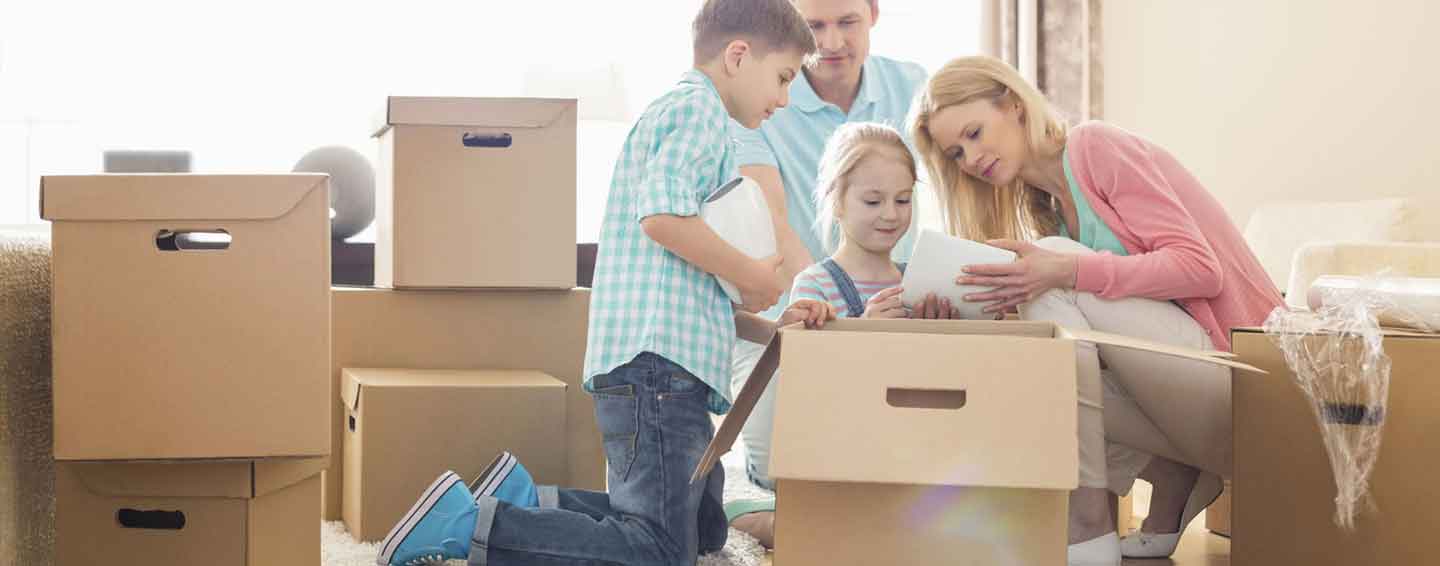
Moving with kids without meltdowns is possible when parents plan ahead and stay organized from the beginning. Many families worry that moving with kids without meltdowns sounds unrealistic, especially during busy packing days and emotional goodbyes. However, with the right structure and support, the process becomes far more manageable.
At Helping Hands Family Movers, we understand that children experience a move very differently than adults. A new home can feel exciting to you, but confusing or even scary to them. That is why preparing both the logistics and the emotional side of the move makes such a difference.
Why Moving Feels Bigger for Children
Children rely on routine and familiar surroundings to feel secure. When boxes start filling the living room and furniture disappears, their sense of stability can shift quickly. Younger kids may express stress through tantrums, while older ones might become quiet or resistant.
The key to moving with kids without meltdowns starts with communication. Talk about the move early. Explain what will change and what will stay the same. Show them photos of the new house or neighborhood. Let them ask questions. When kids feel included instead of surprised, they respond with more confidence.
Moving With Kids Without Meltdowns Starts With a Plan
Creating a simple, clear plan helps everyone feel calmer. Start by outlining your timeline. Mark packing days, moving day, and the first night in the new home on a calendar your child can see. Predictability reduces anxiety.
Next, break tasks into small steps. Instead of packing everything at once, focus on one room per day. This keeps your home from feeling chaotic. If you need help organizing the process, our team at Helping Hands Family Movers supports families through every stage, from early preparation to the final box.
When children see adults staying calm and organized, they mirror that energy. Your confidence becomes their reassurance.
Let Kids Participate in Packing
Children feel more in control when they are involved. Give them age-appropriate responsibilities. Younger kids can decorate their moving boxes with stickers or markers. Older children can sort toys or label containers.
Using proper supplies also makes the process smoother. Sturdy boxes and protective wrapping reduce stress about broken items. Choosing the right materials from our selection of packing materials helps keep favorite toys and keepsakes safe.
Create a “first night box” for each child. Let them pack pajamas, a favorite toy, books, and comfort items. When everything else feels new, these familiar objects provide stability.
Keep Routines as Normal as Possible
During the move, daily routines become anchors. Keep meal times, bedtimes, and small traditions consistent. Even simple rituals like reading a bedtime story or having Saturday pancakes help children feel grounded.
If you are moving from a condo or apartment, space may already feel tight during packing. Planning early is important, especially for families using condo apartment movers. Smaller spaces require organized staging so children still have room to play safely.
Limit exposure to heavy lifting areas on moving day. Set up a safe zone with snacks, games, and supervision away from loading activity. This prevents accidents and reduces overstimulation.
Prepare for Moving Day Emotions
Even well-prepared children can feel overwhelmed on moving day. Goodbyes to friends, neighbors, or schools may bring tears. Allow space for those feelings. Avoid rushing or dismissing their emotions.
Talk about what they are looking forward to. A new park, a bigger backyard, or decorating their new room can shift focus toward excitement. Balance honesty with optimism.
Professional support can also ease pressure. Clear expectations about timing and costs reduce adult stress, which children easily sense. Reviewing details in advance through our moving rates page helps families plan confidently and avoid last-minute surprises.
After the Move: Rebuild Familiarity Quickly
The first 48 hours matter. Set up your child’s bedroom before anything else. Even if other areas remain unpacked, prioritize their bed, favorite blanket, and storage for toys.
Walk around the new neighborhood together. Visit nearby parks. Introduce yourselves to neighbors if possible. The faster children connect the new environment to positive experiences, the faster they adjust.
If your move also involves a business transition or home-office relocation, coordinating both family and professional needs requires extra structure. Families managing larger transitions sometimes use support similar to commercial moving services Edmonton to handle complex logistics efficiently, keeping family routines intact.
Most importantly, celebrate the move. Order pizza on the first night. Take photos in empty rooms before decorating. Turn the change into a shared family milestone.
Simple Habits That Prevent Meltdowns
Stay patient. Children process change at different speeds.
Offer choices. Let them decide where their desk goes or what color to paint their room.
Maintain reassurance. Remind them that family stays together, even if the address changes.
Take breaks. Packing for hours without pause increases tension for everyone.
Ask for help when needed. Moving is physical and emotional work. Delegating the heavy tasks allows you to focus on your kids.
At Helping Hands Family Movers, we believe that a successful move is not only about transporting boxes. It is about protecting family stability during transition. When planning meets empathy, moving with kids without meltdowns becomes a realistic goal rather than a stressful hope.
Frequently Asked Questions
How early should I tell my kids about a move?
Tell children as soon as plans are confirmed. Early communication gives them time to process the change and ask questions before packing begins.
What is the best way to explain a move to young children?
Use simple language. Focus on positives like a new room or park while reassuring them that favorite toys and routines will stay the same.
Should kids be present on moving day?
It depends on their age and personality. Some do well watching the process, while others benefit from staying with relatives to reduce overstimulation.
How can I help my child adjust after the move?
Unpack their room first, explore the neighborhood together, and maintain daily routines. Familiar structure speeds up emotional adjustment.
What if my child has repeated meltdowns during the move?
Stay calm and consistent. Validate their feelings, maintain routine, and avoid overreacting. Most children adapt once they feel secure in the new space.