Moving to a new home can feel overwhelming at the start, especially when you are surrounded by items that all seem important. However, knowing what to pack first makes the entire process smoother and more organized. We always begin by creating a clear packing plan so nothing important gets missed.
At Helping Hands Family Movers, we guide homeowners through each stage of packing, so the move becomes manageable instead of stressful. Therefore, starting with the right items helps reduce last-minute pressure and keeps your move on track.
Start with Items You Rarely Use
The easiest place to begin is with items you do not use every day. These include seasonal decorations, extra linens, books, and stored clothing. In other words, anything that will not be needed before moving day should go first.
We usually recommend packing storage areas such as basements, garages, and closets early in the process. Consequently, you clear space quickly and create a better working area for the rest of your packing.
Using proper supplies from moving boxes helps keep these items safe during transport. In addition, labeling each box clearly ensures you will find everything easily after the move.
Pack Seasonal and Off-Season Clothing
Clothing that is not currently in use is another great starting point. For example, if you are moving in summer, winter jackets and boots can be packed right away.
We often suggest sorting clothes before packing to avoid moving items you no longer need. As a result, you reduce clutter and save space in your new home.
To protect fabrics and prevent damage, using quality packing materials is essential. Moreover, vacuum-sealed bags can help reduce the volume of bulky items.
Organize Books, Decor, and Wall Items
Books, artwork, and home decor can be packed early since they are not part of your daily routine. However, these items require careful handling to avoid damage.
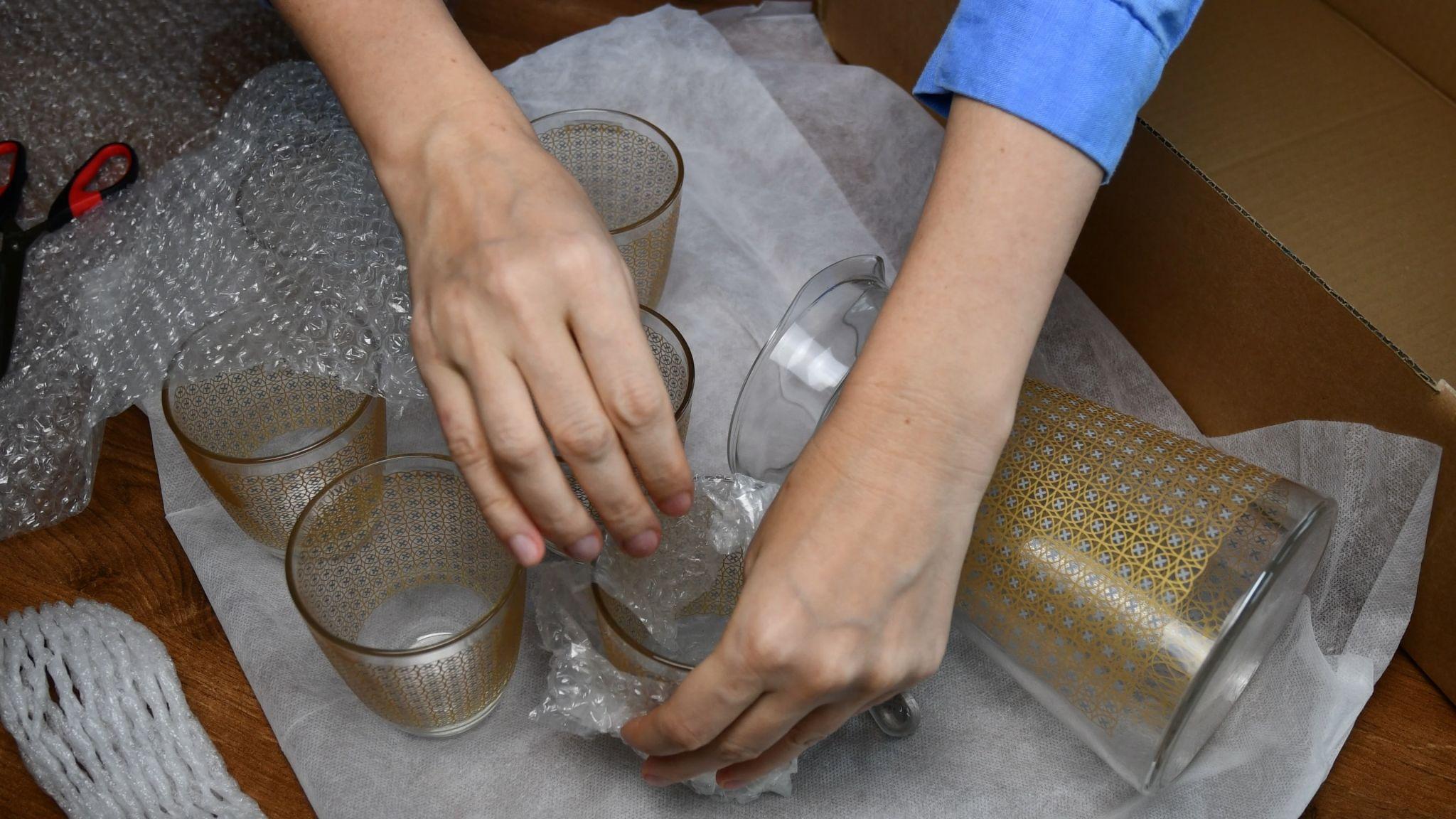
We typically recommend packing books in small boxes to keep them easy to carry. Similarly, wrapping fragile decor with protective materials ensures everything arrives safely.
You can simplify this step by choosing ready-made bundles that include all necessary supplies. In the same vein, grouping similar items together makes unpacking faster later.
Prepare a First-Night Essentials Box
While packing early items is important, it is equally important to set aside essentials. This box should include items you will need immediately after moving.
For instance, toiletries, basic kitchen supplies, phone chargers, medications, and a change of clothes should all be included. Above all, this box should stay with you and not go on the moving truck.
We always advise labeling this box clearly so it is easy to access upon arrival. Consequently, you avoid unnecessary stress on your first night in the new home.
Pack Kitchen Items Strategically
The kitchen can be one of the most time-consuming areas to pack. Therefore, it is best to start with items you use less frequently, such as small appliances, specialty cookware, and extra dishes.
We recommend leaving only daily essentials unpacked until the final days. As a result, you can continue normal routines while still making steady progress.
Using proper packing techniques and sturdy boxes from moving boxes helps prevent damage to fragile kitchen items. Moreover, wrapping each item individually reduces the risk of breakage.
Sort and Pack Important Documents Early
Important documents should always be packed early and handled with care. These include passports, contracts, medical records, and financial papers.
We usually recommend keeping these items in a separate folder or box that stays with you during the move. In other words, never place them in general moving boxes.
This step ensures that nothing important gets lost during transport. Therefore, you maintain peace of mind throughout the moving process.
Declutter Before Packing Everything Else
Packing is the perfect opportunity to reduce unnecessary items. Before filling boxes, take time to sort through your belongings.
We suggest creating separate piles for keeping, donating, and discarding. As a result, you only move what truly matters and avoid extra work later.
Using organized packing systems and supplies from packing materials helps streamline this process. In addition, fewer items mean lower moving costs and faster unpacking.
Leave Daily Essentials for Last
While many items should be packed early, daily essentials must remain accessible until the final days. These include everyday clothing, basic kitchen tools, and personal items.
We typically recommend packing these items just before moving day. Meanwhile, keeping them separate prevents confusion and ensures you always have what you need.
When everything is ready, professional support from moving services Edmonton can help complete the process efficiently. Consequently, your move becomes smoother and more organized.
Build a Clear Packing Timeline
Having a timeline makes a significant difference in how smoothly your move goes. Start packing non-essential items several weeks in advance, then gradually work toward everyday items.
We always recommend breaking tasks into small steps instead of doing everything at once. For instance, packing one room at a time keeps the process manageable.
You can also explore helpful resources on home moving solutions to stay organized throughout your move. In conclusion, a structured approach ensures nothing is rushed or forgotten.
FAQs
What should I pack first when moving?
Start with items you rarely use, such as seasonal decorations, stored clothing, and books. Therefore, you free up space early and make the rest of the packing process easier.
How far in advance should I start packing?
It is best to begin packing at least three to four weeks before moving day. As a result, you avoid last-minute stress and can pack carefully.
Should I pack clothes first or kitchen items?
Clothes that are out of season should be packed first. However, daily-use kitchen items should be left until closer to the moving date.
What should go in an essentials box?
Your essentials box should include toiletries, chargers, medications, basic kitchen items, and a change of clothes. Above all, keep it with you during the move.
How can I make packing easier?
Declutter before packing, use proper supplies, and follow a clear plan. In addition, working step by step makes the process more manageable and efficient.